A guided visualization for reframing painful memories — alone or with a partner guide.
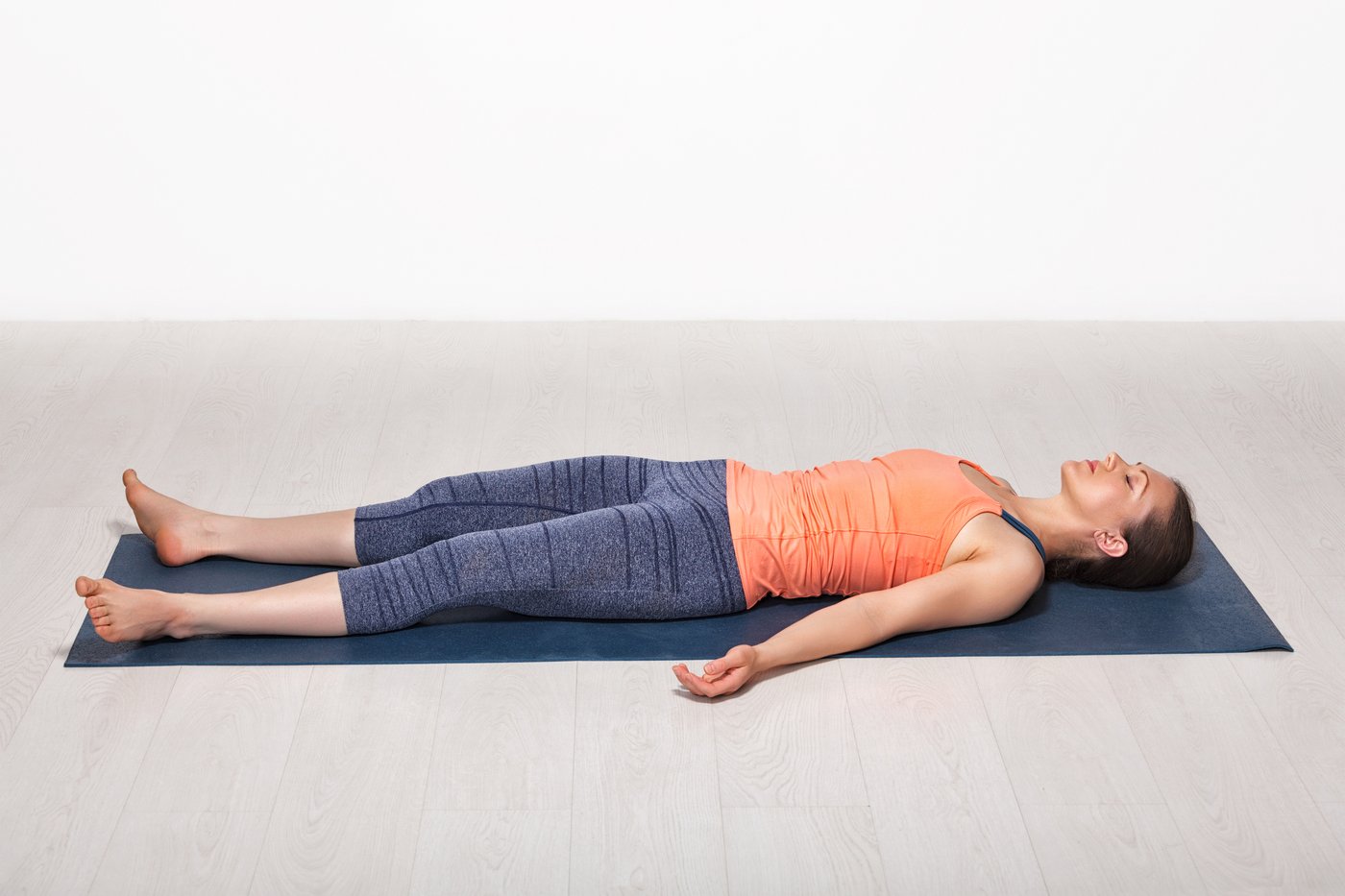
This exercise can be done with a partner who will walk you through the visualization, or alone after reading the visualization exercise. Most beginners should have a partner assist them until they have become familiar with the exercise. Intermediates and experts at meditation may still prefer to have someone guide their visualization for better focus.
I use this technique to give the patient a tool for self healing and it is a great first step to help someone “learn” to meditate. It can be used for emotional as well as energetic healing, even past traumas.
Go to a room where you can be undisturbed for about 15 minutes alone (or with a partner). If available, use your oxygen concentrator at your recommended setting. Close your eyes. Create an image of the room you are in. Picture the details of the room (partners — it is best if you name and describe noticeable objects so your partner can create the image with greater ease). Take deep breaths and as you are breathing in picture the entire room being sucked into your lungs. As you are breathing out, picture the room expanding back out to how it was. Do this for 3 deep breaths (partners — walk your partner through the visualization of breathing in the room each time). Picture yourself sitting there in the room and focus on the details of your clothing, hair, shoes, socks, etc. so that you have a clear image of yourself.
Picture yourself shrinking down into a miniature version of yourself. Your visualization will now be from the perspective of this smaller version of yourself. See yourself standing on top of your own head. Look down at the top of your head and unscrew the top of it like a cap and push it to the side and look down. You will see a staircase going down into your body. Follow the stairs down a few steps into your body and screw the top of your head back on as you descend the stairs. As you reach the bottom of the stairs look to your right you will notice a door. Open the door and go inside.
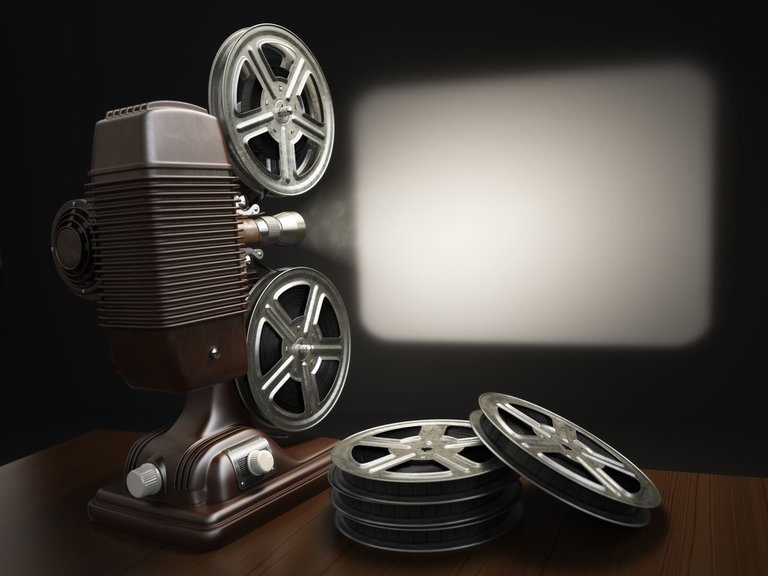
As you enter you will see a movie projector in the middle of the room pointing at a large screen on the wall and a trash can next to the projector. In this room you can play memories from your past. You can change the pictures in the “memory movie” by cutting out scenes and replacing them with alternate scenes. So that if you felt anger you can make the movie funny in some way. Or if you were abused or physically traumatized you can picture your body being protected. (For example, if you were abused physically you can picture a shield protecting you from the abuse, or if you are religious you can picture God, Jesus, Angels, Allah, or your ancestors protecting you). The goal is to change the negative association with that memory. You should never picture negative things happening to those who were the abusers or on the other end of their anger. That will not help you (sometimes revenge seems therapeutic, we all know it isn’t). Partners — tell your partner you are going to leave the room for a few minutes and that your partner should do their best to focus on emotional stressors that need remediation.
Partners may leave the room or perform a silent activity. When you come back in 10 or 15 minutes (or whatever you feel comfortable with) make a slight noise to alert your partner of your presence. Many people will fall asleep. When you wake, make sure you close your eyes if you have opened them.

Finish up any “editing” you are/were doing and bring the trashcan back up toward the top of your head. Unscrew the top and empty out your trashcan. As you empty it out see the “film” fly away as beautiful butterflies, doves, or some other object that can move away from you that has a peaceful representation. Climb out and screw the top of your head back on.

Picture yourself growing larger and back into the version of yourself sitting there in the room. Focus on your breathing and take deep breaths in and out. Feel your chest rise and fall as you breathe. Feel the movement in your fingers & toes. In your hands & feet. Then feel the movement in your ankles and wrists, knees and elbows. Feel your shoulders and hips. When you are ready open your eyes. You will feel refreshed and energized.
Think briefly about the significance of the emotional traumas or events that you worked on so that you will be prepared for future meditative sessions. The trashcan can be substituted for a number of things or persons. For Christians, they can picture Jesus standing next to them or in a row of seats behind you. Catholics can picture the same thing, or have angels that help them. Non religious people can picture loved ones from their past helping them out. Or you can even picture your partner helping you. There is not a “correct” way to use this to help yourself or other people. Any way will help you help yourself.
In Good Health,
Dr. Robles
The manual that started it all — by Dr. Richard L. Robles, DC.
Get The Book