Endocrine disruptors are chemicals that enter the body through skin, digestive tract, lungs, or other mucosal tissue — and interfere with hormone function.
Endocrine disruptors are chemicals that come into our body (through our skin, digestive tract, lungs, or other mucosal tissues such as the urethra, eyes, etc.) and interfere with any aspect of hormone function in our body. To make this easier for everyone to remember, I will be referring to endocrine disruptors as hormone disruptors, since the term hormone is a more familiar term with people in general.
I will explore two hormone disruptors that impact our food, drink, and environment in a two-part article. In part 1 I will discuss Bisphenols, like BPA, and their impact on your health. In part 2 I will discuss glyphosate and its impact on your health.
Unfortunately, these two chemicals are just the tip of the iceberg when it comes to disease-causing agents that we are exposed to every day (often without our consent or knowledge). Awareness of these hormone disruptors may not allow you to completely avoid them, however, it will give you the opportunity to make more informed choices for yourself and your family in regard to your exposure to these stressors.
Bisphenols are synthetic monomers used to manufacture certain types of plastics. Plastics made from Bisphenols, such as BPA and/or BPS (this article will focus primarily on BPA because the majority of the scientific resources available for the impact of bisphenols on health use BPA in their analysis) are used in a variety of places, and many of those places involve our food, drink, and environment.
Here is a quick list of common places to find bisphenols:

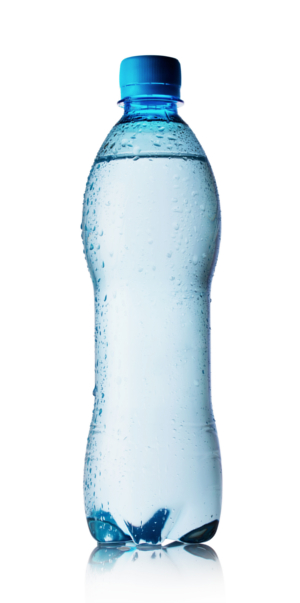

BPA has been detected in the body fluids (urine, serum, sweat, placenta, milk and umbilical cord blood) of 90% of all humans12, and the population that endures the highest exposure are adolescents (ages 10–19 years of age). Adolescents are defined by their transitional status from childhood to identification as adults. This also happens to be the period of their life where normal hormone function is crucial for proper development and maturation. Simply put, hormone disruptors DISRUPT the ability of children to mature into adults in a normal fashion.
BPA is excreted in the urine of a normally functioning body within 24 hours via liver detoxification pathways. This means that there must be an ongoing exposure to BPA from the environment to detect BPA in 90% of humans, and that stopping or greatly limiting the exposure will limit the negative impact from BPA.
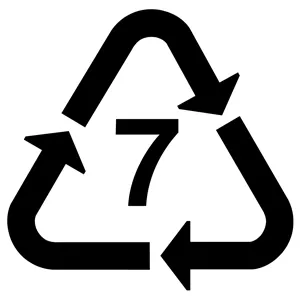
Health awareness is more than simply knowing that something exists and is a problem. Health awareness is a conscious knowledge of factors that may impact your health and using that information to guide your choices. Ultimately, we all have the free will to control our exposure to environmental toxins that have an impact on our health and that of our children. That is, once we become aware of our interactions with those environmental toxins. In this modern world, we do not have the luxury of assuming that others will act in a manner that limits our exposure to chemical toxins, and must be vigilant in exposing the presence of these toxins and creating rules for their limited use and labeling of potential sources of exposure. We are the guardians of our health and that of our families.
The sad truth is that many people reading this article will naturally want to believe that what I have written is not accurate, minimize the seriousness of the problems caused by plastics (& BPA), question the validity of the information, or even my credentials. This truly gets to the root of the problem. Somehow the burden of acceptable proof to deem something safe or unsafe is placed on consumers and not on those who market products for people to purchase. Therefore, read my reference list below, and more importantly read the articles I referenced. The burden of proof to ensure that the products that are sold to people do not harm them should fall on the manufacturing company. Further, they should not fight to keep these facts from the public or dismiss them and continue to make profits while people suffer and are not educated about the causes of their detriment. The American way of handling the burden of safety has been to allow sales until something is proven detrimental, as opposed proving the safety of food and environmental items before they reach the marketplace. Two great examples are rGH (recombinant growth hormone) use with animals and genetically modified food products, which I will write about in another article. Commerce and money will rule until we increase public awareness and demand that our health becomes a priority.
To get started with decreasing the load of BPA in your life familiarize yourself with the list above. Next, limit your exposure to those products to the best of your ability. For example, do not let your children handle your receipts at the store or put them in their mouth. Look for food products that are stored in glass as opposed to plastic or cans. Look for BPA-free products. Drink filtered water (under the sink filter). Find a holistic dentist who uses ozone treatments on the teeth for cavity prevention. You may find that growing your own produce or using fresh produce will eliminate some of the processed foods that may be stored in plastic containers or cans.
Additionally, finding a well trained holistic doctor or functional medicine doctor to evaluate genetic variations in your methylation and other detoxification pathways that may hinder elimination of BPA should be your next step if you suffer from any of the chronic medical conditions that I listed above.
Lastly, be vocal and share this information with your family and friends. There is power in numbers. The more people we can reach with this information the more people we can help. Then, we can work together to enact change in the products that are sold to us.
In Good Health,
Dr. Robles
The manual that started it all — by Dr. Richard L. Robles, DC.
Get The BookEvery health association named above is drawn directly from the peer-reviewed studies below. Tap a footnote number in the text to preview its citation, or browse the full list here.
Guided, structured next steps from Dr. Robles — beyond what’s on this page.
A free 5-day email series to get you started — the primary cause of poor health and what to do about it right away, techniques to decrease stress and anxiety immediately, four simple methods anyone can use to improve their health, and how to build momentum that lasts. Registrants also get 50% off The Path To Health book.
Learn More →A self-guided, five-phase framework — Assessment, Purpose, Plan, Action, Heal — that walks you through organizing your symptoms and lab results, understanding what they’re telling you, building a prioritized action plan, adopting the right habits and supplements, and tracking your healing over time. Built to be retaken any time you want to reassess.
Learn More →A structured 14-day meal plan built around better choices, not more work — simple, flavorful recipes and a shopping list designed to take only 2–4 days of shopping. Built to help you feel better, reduce pain, gain energy, sleep better, and lose weight.
Learn More →