Functional lab ranges are different from standard pathological reference ranges — they flag imbalances earlier, before a value falls into “disease” territory. Functional Lab Ranges are not diagnostic of a disease or condition, but are extremely useful for a functional healthcare practitioner in helping people rebuild their health.
The table below covers the metabolic & chemistry panel, lipid panel, thyroid panel, complete blood count, and inflammatory markers — 49 markers in total. “If High” and “If Low” describe what an out-of-functional-range result on either side can point to.
| Test Name | Functional Range | If High | If Low |
|---|---|---|---|
| Glucose | 85–100 mg/dL | Diabetes, low thiamine | Hypoglycemia |
| Uric Acid | M: 3.7–6.0 mg/dL F: 3.2–5.5 mg/dL | Gout, arteriosclerosis, rheumatoid arthritis | Low B12, low molybdenum |
| BUN | 13–18 mg/dL | Renal problems, dehydration, hypochlorhydria | Pregnancy, low protein |
| Creatinine | 0.7–1.1 mg/dL | Dehydration, renal problems, prostate enlargement | Pregnancy, bone growth |
| Sodium | 135–140 mmol/L | Renal problems, water softeners, dehydration | Low adrenal, low-salt diet |
| Potassium | 4.0–4.5 mmol/L | Low adrenal, dehydration, low renal function | Tissue destruction |
| Chloride | 100–106 mmol/L | Prolonged stress response, excess salt, renal dysfunction, ASA use | Low adrenal, low renal function, B12 deficiency |
| Carbon Dioxide | 25–30 mmol/L | Alkalosis | Acidosis |
| Anion Gap | 7–12 mmol/L | — | Low thiamine, metabolic acidosis |
| Calcium | 9.2–10.1 mg/dL | High thyroid/parathyroid, excess vitamin D use | Pregnancy, osteoporosis, low thyroid/parathyroid |
| Phosphorus | 3.5–4.0 mg/dL | Bone fracture, childhood bone growth, renal dysfunction | Hypochlorhydria, low protein, low amino acids |
| Magnesium | 2.0–2.5 mg/dL | Low adrenal, renal dysfunction, low thyroid | Supplement use |
| Total Protein | 6.9–7.4 G/dL | — | Need HCl, amino acids, protein |
| Albumin | 4.0–5.0 G/dL | Dehydration | Dehydration, need vitamin C, liver or bile problem |
| Globulin | 2.4–2.8 G/dL | Hypochlorhydria | Liver disease, hypochlorhydria, digoxin, inflammation |
| A/G Ratio | 1.5–2.0 Units | — | — |
| Total Bilirubin | 0.2–1.2 mg/dL | Liver/spleen dysfunction | — |
| Alk. Phosphatase | 70–90 U/L | Bone growth, liver dysfunction, gastric inflammation | Need zinc, vitamin C |
| LDH | 140–180 U/L | Liver problems, cardiac stress | Reactive hypoglycemia |
| AST (SGOT) | 10–26 U/L | Increased cardiac stress, muscle damage, liver problem | Low B6 levels |
| ALT (SGPT) | 10–26 U/L | Liver dysfunction | Low B6 levels |
| GGTP | 10–26 U/L | Alcoholism, bile obstruction, gallbladder stress | Low B6 levels |
| Serum Iron | 85–130 mcg/dL | Hemochromatosis, exogenous iron, liver problems | Iron deficiency, internal or external bleeding |
| Test Name | Functional Range | If High | If Low |
|---|---|---|---|
| Cholesterol | 150–200 mg/dL | Diabetes, low thiamine | Too many carbs, alcoholism |
| Triglycerides | 75–100 mg/dL | Dysinsulinemia, hyperlipids | Vegetarian diets, autoimmune, free-radical pathology |
| HDL Cholesterol | More than 55 mg/dL | Autoimmune conditions | Obesity, increased carbs, lack of exercise, trans fats, hydrogenated oils |
| LDL Cholesterol | Less than 120 mg/dL | As with cholesterol/triglycerides | As with cholesterol/triglycerides |
| Chol/HDL Ratio | Less than 3.1 | — | — |
| Test Name | Functional Range | If High | If Low |
|---|---|---|---|
| TSH | 1.3–3.0 uIU/ml | Hypothyroid | Hyperthyroid (if less than 0.5) |
| T3, Free | 2.3–4.2 pg/ml | Hyperthyroid | Hypothyroid |
| T4, Free | 0.61–1.76 ng/dL | Hyperthyroid | Hypothyroid |
| T3 Uptake | 28–38 mg/dL | Hyperthyroid, increased testosterone | Hypothyroidism |
| FTI | 6–11 Index Units | Hyperthyroidism | Hypothyroid, low selenium |
| Test Name | Functional Range | If High | If Low |
|---|---|---|---|
| WBC | 5.0–8.0 | Active, stressed/compromised immune system | Chronic, stressed/compromised immune system |
| RBC | F: 3.9–4.4 M: 4.2–4.9 | Polycythemia, altitude sickness, emphysema | Iron deficiency, menses |
| Hemoglobin | F: 13.5–14.5 M: 14–15 | Altitude, hemochromatosis | Menses or iron-deficiency anemia |
| Hematocrit | F: 37–44 M: 40–48 | Altitude, hemochromatosis | Menses or iron-deficiency anemia |
| MCV | 85–92 cu microns | B12/folate anemia | Iron deficiency, low B6 |
| MCH | 27–32 cu microns | B12/folate anemia | Low B12/folic acid |
| MCHC | 32–35% | B12/folate anemia | Low B12/folic acid |
| RDW | Less than 13 | B12/folate anemia | — |
| Platelets | 150,000–450,000 | Polycythemia, free-radical pathways | Leukemia, immune dysfunction |
| Neutrophils | 40–60% | Immune compromise | Stressed immune system |
| Lymphocytes | 25–40% | Stressed immune system | Low immune, free-radical pathways |
| Monocytes | Less than 7% | Inflammation, infection, parasites, BPH | — |
| Eosinophils | Less than 3% | Parasites, allergy | — |
| Basophils | 0–1% | Parasites, inflammation | — |
| Test Name | Functional Range | If High | If Low |
|---|---|---|---|
| CRP | 0.00–4.90 mg/dL | Increased risk of CVD, inflammation | — |
| Homocysteine | 0.00–7.00 mg/dL | Inflammation, methylation problems, MTHFR genetic SNP variations | — |
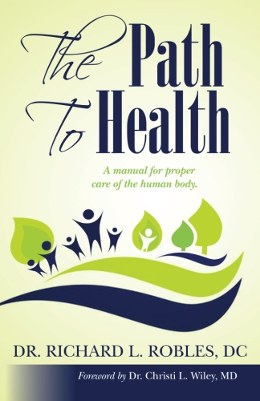
The manual that started it all — by Dr. Richard L. Robles, DC.
Get The BookGuided, structured next steps from Dr. Robles — beyond what’s on this page.
A free 5-day email series to get you started — the primary cause of poor health and what to do about it right away, techniques to decrease stress and anxiety immediately, four simple methods anyone can use to improve their health, and how to build momentum that lasts. Registrants also get 50% off The Path To Health book.
Learn More →A self-guided, five-phase framework — Assessment, Purpose, Plan, Action, Heal — that walks you through organizing your symptoms and lab results, understanding what they’re telling you, building a prioritized action plan, adopting the right habits and supplements, and tracking your healing over time. Built to be retaken any time you want to reassess.
Learn More →A structured 14-day meal plan built around better choices, not more work — simple, flavorful recipes and a shopping list designed to take only 2–4 days of shopping. Built to help you feel better, reduce pain, gain energy, sleep better, and lose weight.
Learn More →