Why levels decline, what the research says about restoring them, and where NAC, taurine, and glycine fit in.
Every cell in your body runs a constant cleanup operation. Normal metabolism, everyday toxin exposure, and the simple act of breathing oxygen all generate reactive byproducts — free radicals — that damage proteins, fats, and DNA if left unchecked. Your first line of defense against that damage isn’t a vitamin you eat. It’s a molecule your own cells manufacture: glutathione.
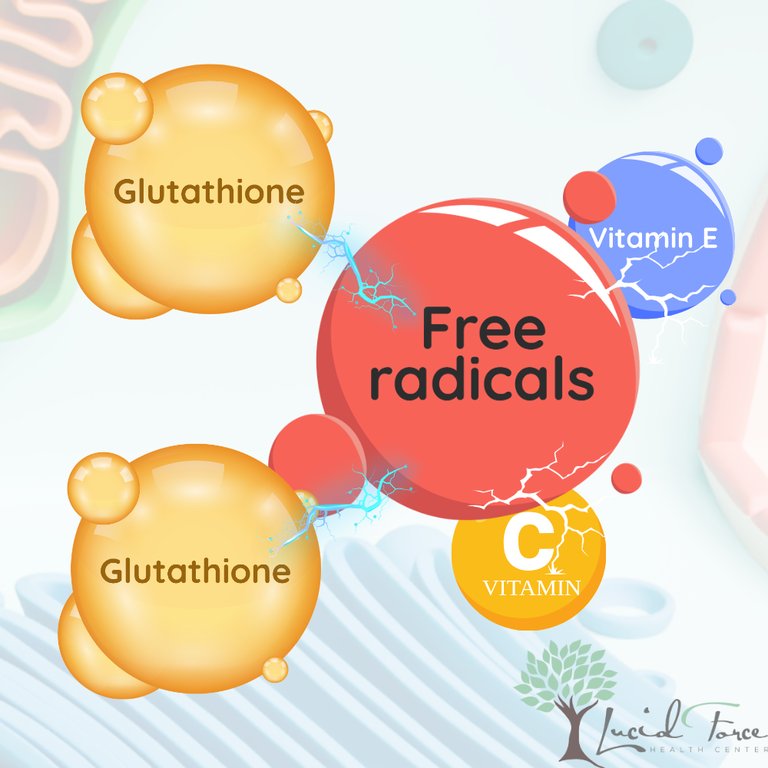
Glutathione is a small molecule built from three amino acids — cysteine, glutamate, and glycine — but its size undersells its importance. Its sulfur-containing cysteinyl group directly neutralizes reactive oxygen and nitrogen species, while the enzyme glutathione peroxidase uses glutathione as fuel to break down hydrogen peroxide and lipid peroxides before they can damage cell membranes, mitochondria, and DNA.2 It also works as a recycling system for other antioxidants, regenerating spent vitamin C and vitamin E so they can go back to work.2
Concentrations inside a healthy cell run remarkably high — in the same range as glucose or cholesterol — which reflects how metabolically expensive glutathione is to produce and how much your body relies on it.1 One useful marker of cellular health is the ratio of active (reduced) glutathione to its used-up (oxidized) form: a healthy, rested cell keeps that ratio above 100 to 1, while a cell under oxidative stress can see it collapse to somewhere between 1 and 10 to 1.1 Glutathione also turns over quickly — tissue levels can have a half-life of just a few hours — which means your body is synthesizing and spending it continuously, all day, every day.3
Glutathione demand rises with toxin exposure, illness, and physical stress, but the supply side has its own problem: production slows with age. In mouse studies from the same research group, glutathione in the brain, heart, liver, and kidney of old animals measured 65–72% lower than in young animals of the same species — a striking, consistent gap across every organ tested.67 The same aging animals showed reduced expression of the enzymes that build glutathione in the first place, suggesting the decline isn’t just about using more — it’s about making less.7 A separate observational study in older adults found that higher glutathione levels tracked with better physical function, fewer illnesses, and higher self-rated health — though as an observational finding, it shows an association rather than proof that raising glutathione alone improves those outcomes.1
Genetics play a role too. A family of enzymes called glutathione S-transferases (GSTs) helps attach glutathione to toxins so they can be cleared from the body, and common gene deletions that knock out these enzymes — known as GSTM1-null and GSTT1-null — are carried by a large share of the population, with estimates as high as 20–50% depending on the group studied.4 In one study of 560 men, those with idiopathic infertility were significantly more likely to carry these null genotypes, and also showed higher oxidative-stress markers and lower total antioxidant capacity than fertile controls — a real-world illustration of how reduced glutathione-conjugation capacity and environmental toxin exposure (in that study, fluoride) can compound each other.5
Because glutathione is assembled from cysteine, glutamate, and glycine, supplementation strategies tend to focus on supplying those raw materials rather than glutathione itself, which the body struggles to absorb intact and use.3
NAC (N-acetylcysteine) is the most common cysteine source, since cysteine is usually the rate-limiting ingredient in glutathione production. Oral NAC absorbs modestly — roughly 10% bioavailability — but has still shown real effects: an 8-week course of oral NAC (8 grams a day, in divided doses) restored glutathione levels in the blood and immune cells of HIV-positive patients in one trial.3 That said, a broader review of 12 clinical trials described NAC’s track record for reliably raising glutathione as “inconclusive” on its own — one reason it’s typically paired with other building blocks rather than used alone.4
Taurine is an antioxidant amino acid in its own right. In one animal study using an aging model, a high dose of taurine measurably increased whole-brain glutathione content.3
Glycine is the building block most likely to be overlooked — but a 2019 review concluded glycine may be just as important as cysteine for glutathione production, especially when the two are supplied together.4 That combined approach has its own name in the research literature: GlyNAC — glycine plus N-acetylcysteine.
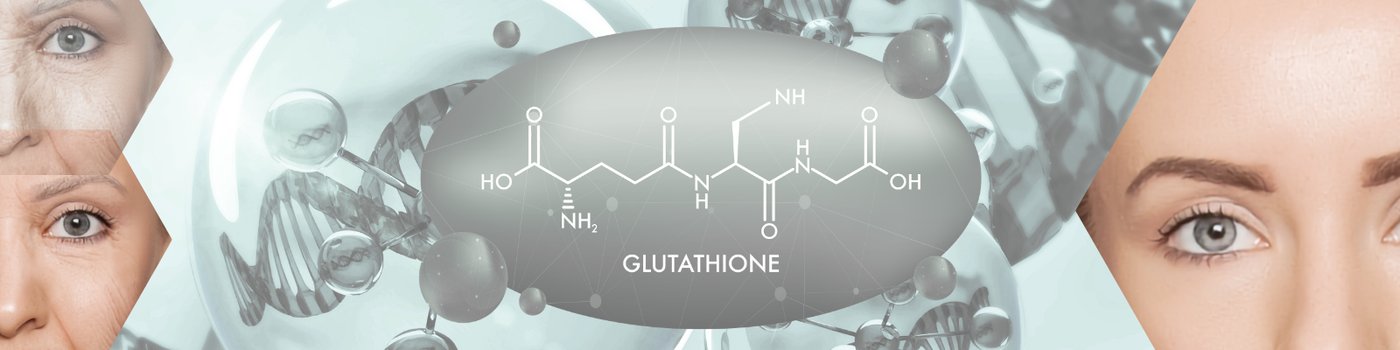
The most striking GlyNAC data so far comes from animal research out of Baylor College of Medicine, and it’s worth being direct about what it does and doesn’t show: these are mouse studies, not human trials, though the same research group has separately studied GlyNAC supplementation in older adults.
In one study, old mice took 100% longer and made 50% more errors than young mice navigating a maze-based memory test. After 8 weeks on a GlyNAC-supplemented diet, those same old mice completed the maze 42% faster and made 33% fewer errors than their own pre-supplementation baseline — with no improvement seen in old mice kept on a regular diet. Brain glutathione, which measured 69% lower in old mice than young mice before treatment, increased by 156% after GlyNAC supplementation.6
In a second, separate study from the same group, mice started on a GlyNAC-supplemented diet in later life lived 23.7% longer than mice on a regular diet (128.6 weeks versus 104.0 weeks, on average) — and the same organ-by-organ glutathione deficits seen in aging (65–72% lower than young mice) were substantially corrected by supplementation.7 A separate review of a 24-week trial of combined glycine and NAC in older human adults reported that it corrected the age-related decline in red blood cell glutathione and reduced a marker of oxidative stress (F2-isoprostanes) — a smaller, shorter-term result than the mouse studies, but a signal that the same combination affects glutathione status in people, not just animals.3
One of the classic experiments in this field, published in the Proceedings of the National Academy of Sciences, depleted glutathione in mice and found it caused roughly a 50% loss of epithelial cell height in the lining of the jejunum and colon, along with visible cell damage under the microscope. Restoring glutathione — whether by mouth or as a specific glutathione ester — nearly completely prevented that damage.8 It’s a striking reminder that the gut lining depends on adequate glutathione just to maintain its own structure, independent of anything else going on in digestion.
A 2026 systematic review pooling 194 studies found that oral and topical glutathione were generally associated with favorable effects on skin pigmentation, brightness, hydration, and oxidative-stress markers, while injectable glutathione raised systemic levels quickly but came with more safety concerns and shorter-lasting effects.2 Mechanistically, glutathione depletion is linked to impaired wound healing and accelerated visible skin aging, in part through unchecked activity of collagen-degrading enzymes (MMP-1 and MMP-9) that oxidative stress normally keeps in check.2
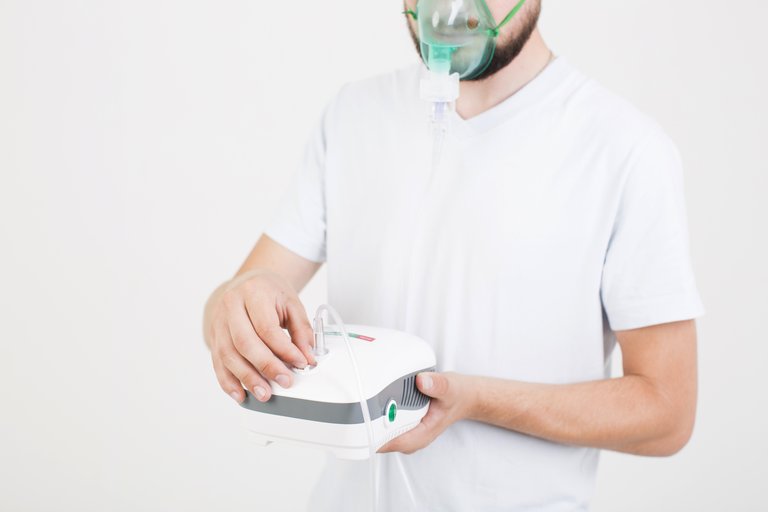
Nebulized therapies are a familiar tool in this practice for supporting the airway, and glutathione has a documented role there too. In mice, nebulized hypertonic saline roughly doubled glutathione in the fluid lining the airway surface within two hours — a protective, CFTR-dependent effect that was measurably weaker in a cystic-fibrosis mouse model, suggesting genetics affect this pathway here as well.9 Separately, a placebo-controlled trial of intranasal glutathione (not nebulized, an important distinction) in people with Parkinson’s disease found meaningful improvement in motor symptom scores at both 300 mg and 600 mg daily doses, with only mild side effects reported.10 Researchers note the rationale for nebulized glutathione in other conditions is extrapolated from this kind of data rather than from dedicated nebulized-glutathione trials, which remain limited.10
Glutathione also shows up in recovery research. In mice, glutathione delivered directly after a brain injury preserved protective barrier structures and reduced tissue cell death by as much as 67% when given soon after injury — an effect that faded the longer treatment was delayed.11 Separately, one review of pediatric brain injury noted that measured cerebrospinal-fluid glutathione stayed significantly depressed for a full week after severe injury in a small group of children.13 And in an animal model of spinal cord injury, glutathione was already measurably depleted in older animals before any injury occurred at all — a sign that age-related glutathione decline may leave less reserve capacity to draw on when the body is under acute stress.12
It’s worth being upfront about the limits of this evidence. Much of the strongest data on glycine-plus-NAC combinations restoring glutathione and reversing markers of aging comes from mouse studies, not large human trials. NAC on its own has an inconsistent record for raising human glutathione levels across the trials reviewed so far.4 And individual genetics — particularly GST gene variants — mean the same supplement course won’t affect everyone’s glutathione status equally.45 None of this erases the underlying biology — glutathione’s central antioxidant role is well established — but it’s why we frame a glutathione-support course as matching your reported symptoms to a reasonable starting point, not as a guaranteed fix.
Glutathione isn’t a trendy supplement ingredient — it’s a molecule your body has relied on since before you were born, made fresh inside your own cells every day, and gradually produced less of as you age or carry a heavier toxin load. Supporting it isn’t about chasing one more pill; it’s about supplying the raw materials — cysteine, taurine, and glycine — your body already knows what to do with.
Glutathione isn’t made in a factory and shipped to you — it’s made fresh, every day, inside your own cells.
In Good Health,
Dr. Richard Robles
Take the Glutathione Protocol Candidacy Survey — a short, private screening that matches your reported symptoms to a suggested supplement course.
Take the Free Survey →Our Nutrigenomic Evaluation will identify gene variants — including glutathione-related ones — that may be negatively affecting your health.
Ask About A Nutrigenomic Evaluation →
The manual that started it all — by Dr. Richard L. Robles, DC.
Get The BookEvery health association named above is drawn directly from the peer-reviewed studies below. Tap a footnote number in the text to preview its citation, or browse the full list here. Where a finding comes from an animal or in-vitro study rather than a human trial, that’s noted in the text itself.
Guided, structured next steps from Dr. Robles — beyond what’s on this page.
A free 5-day email series to get you started — the primary cause of poor health and what to do about it right away, techniques to decrease stress and anxiety immediately, four simple methods anyone can use to improve their health, and how to build momentum that lasts. Registrants also get 50% off The Path To Health book.
Learn More →A self-guided, five-phase framework — Assessment, Purpose, Plan, Action, Heal — that walks you through organizing your symptoms and lab results, understanding what they’re telling you, building a prioritized action plan, adopting the right habits and supplements, and tracking your healing over time. Built to be retaken any time you want to reassess.
Learn More →A structured 14-day meal plan built around better choices, not more work — simple, flavorful recipes and a shopping list designed to take only 2–4 days of shopping. Built to help you feel better, reduce pain, gain energy, sleep better, and lose weight.
Learn More →