ADD, ADHD, learning disabilities, and Autism Spectrum Disorder are spreading rapidly throughout the U.S. — here are the causes, and the cures.
Published April 25, 2017
ADD, ADHD, learning disabilities, and Autism Spectrum Disorder are spreading rapidly throughout the U.S. — by now, it’s rare to find someone who doesn’t know a family affected by one of these conditions. Thankfully, the mechanisms behind them aren’t a mystery to every healthcare professional, and in this article I want to walk you through the factors that contribute to them and the steps you can take to address them. April is Autism Awareness Month — but what about the other eleven months, when families are still managing these challenges every single day? My goal here is to share the causes and the cures for autism, ADD, ADHD, and learning disabilities.
Break the word down and it tells you exactly what it means: ‘neuro’ refers to the nervous system, and ‘developmental’ refers to growth and maturity as it affects function. I group ADD, ADHD, learning disabilities, and Autism Spectrum Disorder together because all of them involve alterations in the growth and maturation of the nervous system. To find the cause, you have to look at what’s driving those alterations. To find the cure, you have to reverse or eliminate the factors causing the dysfunction. That’s simple in theory, but complex in practice — not everything can be changed without intervention over time.
The nervous system sends and receives information from the environment, while coordinating the body’s internal balance and response. Think of it as the communication center between a person and their surroundings. Understanding that function helps explain why neurodevelopmental symptoms so often connect back to factors that seem completely unrelated on the surface.
Parents determine a child’s genetic makeup across generations, and stress on previous generations impacts how those genes express in the next one. I’m not saying this to assign blame — understanding this depth just helps establish how long a family’s genetic expression has been under stress. What’s more clinically relevant is the child’s own genetic expression: genetic variations create an environment where typical neurological development can’t continue, because the body’s systems are under stress.151617 When genetic information is passed to children who are then raised in high-stress environments, symptoms show up from the altered growth pattern if that stress continues.

Here’s a way I like to explain this to patients: think of genes as lamps in a room. Parents provide all the lamps, and select which ones get switched on. As a child grows, more lamps turn on or off. Just having a lamp doesn’t mean it’s lit — simply carrying a gene doesn’t guarantee it’s expressed. The switches represent epigenetic factors, which determine whether a gene is active or suppressed. Everyone has different lamps, and different kinds of switches — some are stiff metal levers that take real force to move, some are hair-trigger buttons, and some only activate with a special key or at a specific moment in time. That variation in how sensitive each switch is, and what it takes to flip it, is exactly why research chasing ‘THE cause’ of neurodevelopmental disorders keeps chasing a finish line that keeps receding.

The environmental stress each parent experiences shapes their own ‘room of lamps’ — which lamp types, which switch types, and which lamps get turned on or off in their child. In other words, the environment’s impact on a parent’s epigenetics, and the self-care choices they make, determines which genetic patterns will be active or suppressed in their child.
Single nucleotide polymorphism (SNP, pronounced ‘snip’) testing is one way to identify these genetic variation patterns in an individual.18192021 In the hands of a properly trained healthcare professional, that information can help support someone with a neurodevelopmental condition, and help us understand the timing and activation of the patterns that led to altered nervous system growth and maturity. It also reveals how different environmental stressors have impacted that person’s body.
Reframe it this way: genes set the ‘lighting in the room’ and determine your ability to navigate the obstacles in it. Since the nervous system is constantly balancing environmental information against how the body’s internal systems are working, and genetic expression is about how the body adapts to its environment, both come back to the same thing: the environment. And that means everything you come into contact with — your food, your drink, the air you breathe. Environmental factors determine gene expression, while the nervous system is constantly reading environmental cues. Alterations in the growth and maturity of the nervous system happen when those environmental cues and stressors exceed the body’s ability to coordinate its internal functions. Being exposed to an environment your body can’t adapt to is what creates altered growth and maturity. This is the foundational principle behind a lot of conditions that get labeled as having ‘no known cause or cure’ — especially conditions affecting nervous system development, like the ones we’re talking about here.
I break the environmental factors that alter nervous system growth and maturity into two broad categories: functional interactive stimulus, and nutrition and toxicants.
Functional interactive stimulus is about how the brain perceives and interacts with information from the environment — starting with movement and reflexes, and progressing to understanding non-verbal communication and modeling behavior we observe. Alterations in this functional capacity are part of what leads to a neurodevelopmental diagnosis, though it’s only one piece of the picture. If the nervous system’s interactions are limited to a narrow range of stimulus for too long, the system becomes highly specialized in that one interaction, at the expense of developing other areas of the nervous system. A few examples: not varying which side a baby lies on during feeding, spending too much or too little time crawling, sitting, or standing, extended pacifier use, too much screen time, walking too early, or toe-walking. These patterns can be signs of altered nervous system growth and maturity, and if they continue, they can contribute to a neurodevelopmental presentation. Within the nervous system, function creates form, and form creates function — how the system works determines how it grows, and how it grows determines how it works. That’s part of why behavioral therapy produces such varied results: it’s genuinely beneficial, but on its own it usually doesn’t address the underlying growth alterations or the other causes we’re discussing here. Combine behavioral therapy with reducing the stressors above, though, and the results are exponentially better.
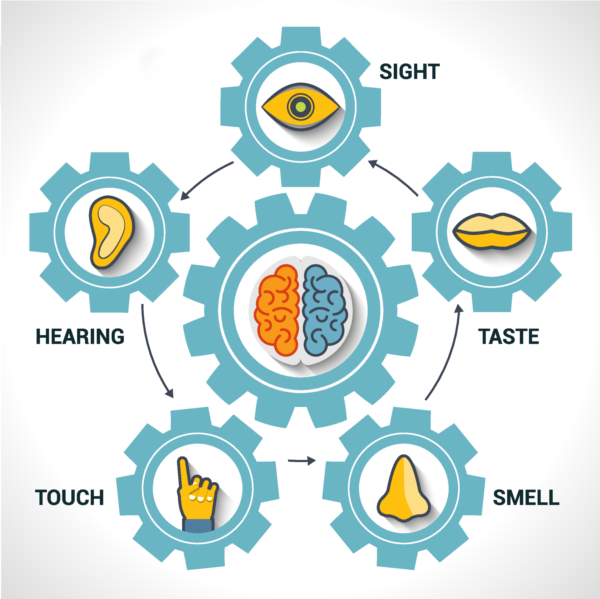
How that information gets coordinated (or miscoordinated) in a neurodevelopmental condition determines which symptoms show up — and recognizing how those symptoms interact with each other is one way to measure functional improvement. The nervous system controls temperature regulation, energy production, balance, coordination, movement accuracy, memory, emotional intelligence, touch, taste, smell, sight, hearing, muscle tone, digestion, hormone regulation, immune function, and much more. Given how much the nervous system actually governs, it makes sense that neurodevelopmental symptoms show up in such a wide range of ways. Depending on severity, the nervous system can become stressed by even minimal sound, temperature, or touch stimulation — and that can profoundly affect behavior. Balancing the parts of the brain that are under-firing, while reducing overstimulation in the parts that are over-firing, decreases that overreactivity to the environment.
This is an area that comes with a lot of controversy, but I want to help you navigate the information from the misinformation. Nutrition is about receiving adequate environmental information — delivered through minerals, vitamins, proteins, carbohydrates, fats, bacteria, yeasts, and everything else we consume or inhale. The body breaks all of it down into small pieces of information it can use for function. The information it needs allows for proper growth, maturation, and function. What it doesn’t need gets stored, quarantined, or excreted. When needed information is missing, the body has to adapt in ways that cause a loss of function (or dysfunction). Optimal nutrition allows for proper growth, maturation, and function — without it, none of that happens the way it should. Toxicants, on the other hand, are information that disrupts normal growth, maturation, and function — usually man-made toxic substances that provide the body with disruptive environmental information. People love to make sweeping claims about specific substances causing (or not causing) problems, but the reality is that any toxicant can create a severe problem for one person and no problem at all for someone else.
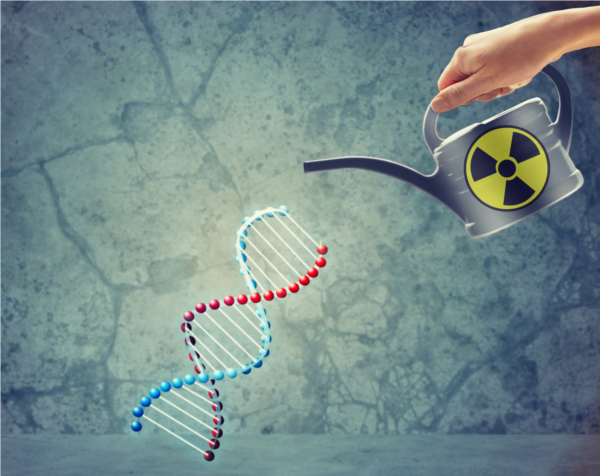
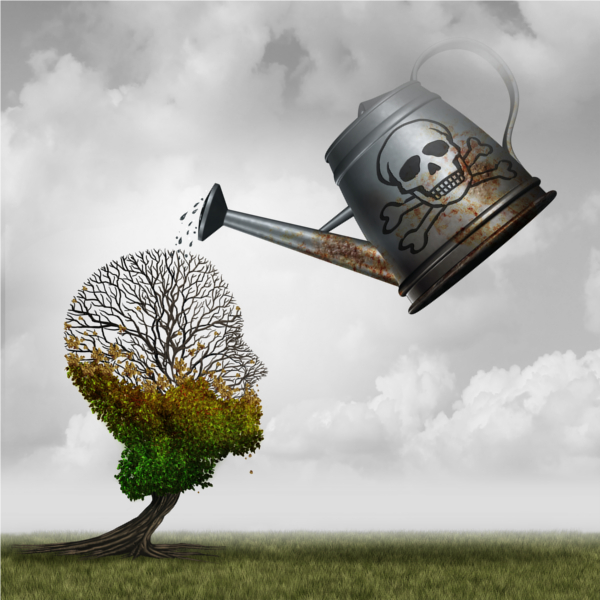
Go back to the lamp-room metaphor: everyone has different lamps, different switch types, and a different number of lamps that are already turned on. When a toxicant enters that individualized room, the response varies — some people notice it and remove it easily, others trip right over it.
Identifying and linking the cause of a neurodevelopmental condition to a specific toxicant doesn’t, by itself, solve that person’s challenges. I’ll be honest: the way our society and our businesses operate makes real accountability almost impossible to establish, given current laws and the sheer number of possible toxicant exposures a person can have. As for whether vaccines,123456789 glyphosate,1011 mercury,2 lead, volatile organic compounds,121314 food dyes, pesticides, and herbicides1011 cause autism and other neurodevelopmental conditions — the answer has to be yes. Electromagnetic field (EMF) exposure belongs on that same list, even though it works through a different route: EMF has been linked to the kind of genetic damage and oxidative stress that flips those epigenetic switches in the first place,1518 and it’s been independently associated with fetal and childhood abnormalities22 and altered neurodevelopmental outcomes in infants.23 But holding any of those parties accountable comes down to the choices we make as individuals: supporting the health-focused people and companies over the profit-motivated ones.
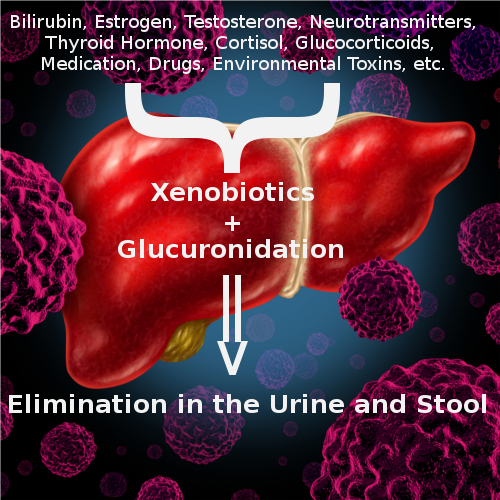
For each person, it’s the cumulative impact of multiple toxicants — or a specific toxicant they simply can’t adapt to — that alters nervous system growth and maturity. There’s no universal cause or cure for a neurodevelopmental condition caused by toxicant exposure. Removing toxicants has to account for that individual’s own ability to clear them, so they don’t get redeposited elsewhere in the body or converted into something even more harmful, while also balancing out the functional interactive changes that have already become ‘plasticized’ — meaning they’ve become both functional and structural changes in the nervous system.
Nutritional deficiencies and toxicant exposure cause neurodevelopmental conditions; correcting those deficiencies and eliminating those toxicants can cure them. Just like a single toxicant rarely acts alone, expecting to remove just one toxicant and call it a cure is usually not enough — not until you’ve identified two things: every toxicant that may be involved, and that person’s own ability to clear toxicants. Heavy metal testing, urine metabolite testing, and functional blood work all help identify those two factors. Combine that with an evaluation of that person’s individual genetic variation, or SNPs, and you have a real platform for change.
You might be wondering whether a neurodevelopmental condition is something that even needs to be ‘fixed.’ Someone living with one might feel that nothing needs correcting at all. Here’s my answer: whether someone has typical neurological development or a neurodevelopmental condition, we’re all in the same boat. As a species, we haven’t taken great care of the environment that supports our continued health. Large numbers of new toxicants are developed every single year, putting everyone’s health at risk. The environment is altering the ‘lamps’ every one of us is carrying, in ways most people aren’t even aware of — and those changes affect future generations. Everyone can improve how they care for their environment and their body, which improves the odds for their own condition. Some people have a path that genuinely benefits from addressing the causes above, for themselves and for their caregivers. In the end, this isn’t really about something being ‘wrong’ — it’s about how to keep growing and maturing in the healthiest way possible.

If you or someone you love is living with a neurodevelopmental condition, I want to invite you to reach out for help. The path isn’t easy, and it doesn’t lead to the same place for everyone — but it does hold real hope. Recovery can look different for different people: for some, that means complete remission; for others, it might mean hearing your child say ‘I love you’ for the first time, learning to speak or communicate, becoming independent with toileting, a reduction in violent behavior, better grades, or even going on to higher education. Everyone starts from a different place — and as they progress, the changes in their nervous system’s growth and maturity allow them to function differently than before.
Neurodevelopmental conditions typically result from environmental stress on the genes of the mother and father, combined with (or multiplied by) the environmental stress on the genes of the child. The causes vary significantly from person to person, and symptoms vary depending on how aware we are of them — they can involve other nervous-system-regulated organ systems that seem completely unrelated at first glance.
The cure lies in understanding and supporting the genetic expression of the person with a neurodevelopmental condition, improving functional interaction with the environment in low-functioning areas, decreasing and eliminating perseveration of activities, meeting nutritional needs, supporting nutritional deficiencies, avoiding toxicants, and improving elimination of toxicants.
Unlike conditions where something is simply ‘wrong’ and needs fixing, neurodevelopmental conditions require support, balance, and time. Think about changing the course of a river: do it deliberately and slowly, and you can guide it. Force it too fast, and it floods and carves its own path instead.

Our Nutrigenomic Evaluation will identify gene variants that may be negatively affecting your health.
Ask About A Nutrigenomic Evaluation
The manual that started it all — by Dr. Richard L. Robles, DC.
Get The BookThese sources support the environmental and genetic mechanisms described above — vaccine adjuvants and contaminants, glyphosate, formaldehyde and other volatile organic compounds, EMF-linked oxidative stress and genetic damage, and the genetic/SNP patterns that shape individual susceptibility. Tap a footnote number in the text to preview its citation, or browse the full list here.
In Good Health,
Dr. Richard Robles

Guided, structured next steps from Dr. Robles — beyond what’s on this page.
A free 5-day email series to get you started — the primary cause of poor health and what to do about it right away, techniques to decrease stress and anxiety immediately, four simple methods anyone can use to improve their health, and how to build momentum that lasts. Registrants also get 50% off The Path To Health book.
Learn More →A self-guided, five-phase framework — Assessment, Purpose, Plan, Action, Heal — that walks you through organizing your symptoms and lab results, understanding what they’re telling you, building a prioritized action plan, adopting the right habits and supplements, and tracking your healing over time. Built to be retaken any time you want to reassess.
Learn More →A structured 14-day meal plan built around better choices, not more work — simple, flavorful recipes and a shopping list designed to take only 2–4 days of shopping. Built to help you feel better, reduce pain, gain energy, sleep better, and lose weight.
Learn More →