Can love cure disease? How positive emotions sustain your immune system’s first line of defense — while anger and stress quietly undermine it.
It has been well established that a heightened emotional state stimulates your body to be on the defenses. Love (compassion) and anger both stimulate an initial increase in the immune system. However, with negative emotions, such as anger, this benefit soon wears off and actually acts as an immunosuppressor. Positive emotions, such as caring, compassion, & love, cause a sustained increase in immuno-defenses, and can even counteract the impact of negative emotions.1
Immunoglobulin A (IgA), is an important part of the body’s first line of defense of the mucosal surfaces of the gastrointestinal (mouth, throat, stomach & intestines), respiratory (mouth, throat, trachea, & lungs), and genitourinary (urethra, ureter, bladder) tracts.2 These tracts are common sites for potential infections, such as the common cold, the flu, bronchitis, RSV, E. Coli infections, Urinary Tract Infections, and STD’s (just to name a few).
The serum and salivary concentrations of IgA are important to the overall immunologic protection of the mucosal tracts. Decreased levels of IgA have been associated with a variety of diseases including recurrent infections, allergies, and neoplastic and autoimmune diseases.3 Longer periods of decreased IgA levels will typically result in the insidious onset of disease with an increased likelihood of that disease becoming chronic. Historically, diseases that appear slowly and unexpectedly over time without a clear vector of transmission typically have multifaceted causes that stem from lifestyle stresses that may or may not be the choice of the diseased individual. Two such diseases are diabetes and asthma.
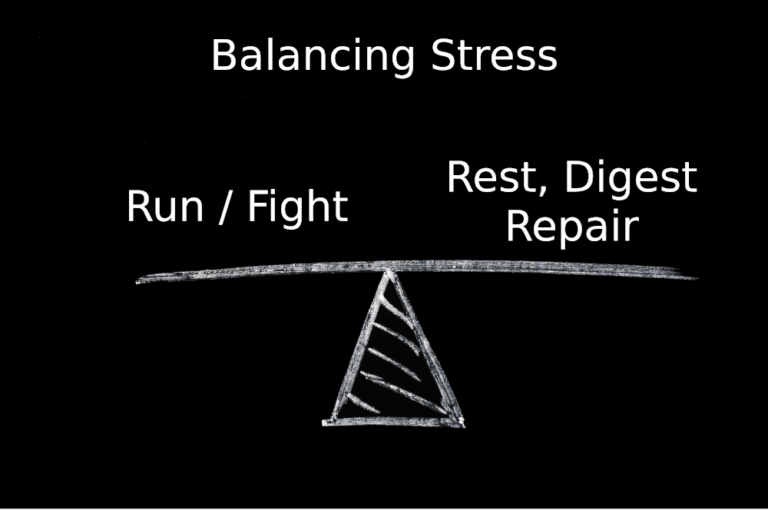
Consider that asthma typically develops as the result of a prolonged, increased and inappropriate immune response in the mucosal tissues of the airways. Researchers have yet to name a cause for the inappropriate immune response that triggers asthma symptoms and a permanent cure continues to evade the best scientific minds. The most popular treatments of today do not “fix” the cause, but attempt to prevent life-threatening symptoms from occurring.
Emotional stress can trigger mild to severe asthmatic symptoms. To prove that prolonged emotional distress causes this inappropriate immune response requires too many variables to be properly determined using current scientific methodology. Similarly, it would be difficult to establish a link between a single experience of anger and a subsequent infection or allergic reaction; however, it is worth noting that an opportunistic agent is more likely to take root with the first line of defense significantly decreased during the 2–5 post-episodic hours. Now, consider a child whose immune system is still developing. What effect would his/her experience of the peaks and valleys of fluctuating IgA levels related to consistent emotional distress (anger or other abusive negative emotions) have on the function of that child’s immune system? The answer to that question would no doubt lead to the identification of one of the causes of prolonged, increased and inappropriate immune responses in the mucosal tissues of the airways of children.
Compare that with what we know about diabetes. Diabetes is predisposed by several lifestyle factors that stress our body’s digestive system to the point of inappropriate control of blood sugar. This is largely due to the fluctuation of blood sugar levels as a result of an individual’s diet and physical activity over the course of many years, but can also be the result of autoimmune reactivity in the pancreas. I propose that similar to the multifaceted causes of diabetes, asthma symptoms are the result of multifaceted stressors of the body such as emotional distress. As the child matures physically, they also mature emotionally. This maturity along with the maturation of the immune system and it’s ability to “tolerate” prolonged stress can explain why some children “grow out” of asthma or simply do not have the ability to spike an adequate response to their stressors due to changes in immune activation thresholds.
Can love cure respiratory disease? This remains to be answered, but it is likely that love can help prevent respiratory and other mucosal disease. A healthy immune system prevents infection and disease; therefore, love’s positive affect on the mucosal tracts’ immune system’s first line of defense must help prevent infections and diseases of the mucosal surfaces of the body.
In Good Health,
Dr. Robles
The manual that started it all — by Dr. Richard L. Robles, DC.
Get The BookTap a footnote number in the text to preview its citation, or browse the full list here.
Guided, structured next steps from Dr. Robles — beyond what’s on this page.
A free 5-day email series to get you started — the primary cause of poor health and what to do about it right away, techniques to decrease stress and anxiety immediately, four simple methods anyone can use to improve their health, and how to build momentum that lasts. Registrants also get 50% off The Path To Health book.
Learn More →A self-guided, five-phase framework — Assessment, Purpose, Plan, Action, Heal — that walks you through organizing your symptoms and lab results, understanding what they’re telling you, building a prioritized action plan, adopting the right habits and supplements, and tracking your healing over time. Built to be retaken any time you want to reassess.
Learn More →A structured 14-day meal plan built around better choices, not more work — simple, flavorful recipes and a shopping list designed to take only 2–4 days of shopping. Built to help you feel better, reduce pain, gain energy, sleep better, and lose weight.
Learn More →